

Europe’s most beloved destinations have never been more popular — and for tour, activity and attraction operators, that’s not entirely a good thing.
Overcrowded areas, traffic congestion and tightening regulations are quietly eroding the quality of experiences that travelers come to Europe for in the first place. For operators who have built their businesses on delivering those experiences, the pressure to adapt is real.
So how are operators handling it? We checked in with WalksDevour (recently rebranded from Walks & Devour Tours), one of Europe’s largest guided tour operators, with products spanning Rome, Florence, Paris, London and beyond. With over 14 years at the helm, CEO Roisin O’Sullivan has watched the landscape shift — and is now making deliberate moves to stay ahead of it.
“Everything’s just harder now because the numbers are so much more vast,” she says. “There is more friction in travel, there is more friction in guided tours, there’s more friction in attractions.”
Her response: maybe we need to rethink the format entirely.
From Day Trips to Overnights
All roads lead to Rome, as they say, and therein lies the problem. For years, the route from Rome to Pompeii and the Amalfi Coast was one of WalksDevour’s most successful offerings. But over time, worsening traffic along the popular route has steadily chipped away at the experience. What used to be three or four hours at Pompeii eventually shrank to 90 minutes. The drive to Positano became a slog through gridlock. The product was still selling — but O’Sullivan and her team no longer felt good about what they were delivering.
The solution wasn’t to cut the tour. It was to reimagine it — as an overnight trip.
“It’s the difference of being able to sit down and have a slow lunch and a couple glasses of wine,” O’Sullivan says, “which is why people are in Italy in the first place.”
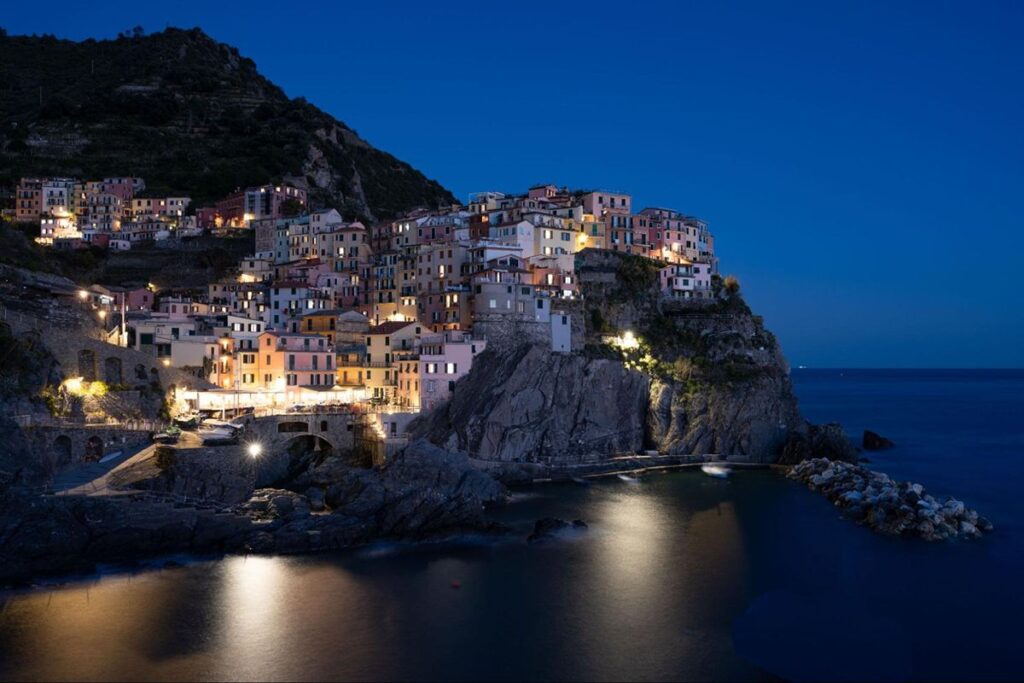
The same logic is being applied to other routes. Tuscany from Rome, Cinque Terre, and other itineraries that once worked as day trips are being reconsidered through the lens of what it actually takes to deliver them well in today’s increasingly crowded environment.
O’Sullivan is careful to distinguish this from a strategic move into the multi-day tour market. The overnight tours WalksDevour is developing are designed as a “trip within a trip” — a one- or two-night curated experience for travelers who are otherwise exploring independently. “We’d like to evolve more so than pivot,” she says.
It’s a meaningful distinction. Rather than trying to compete with established multi-day operators or chase a different customer demographic, WalksDevour is focused on bringing its existing customers along for the ride — travelers who already trust the brand and are looking for a higher-quality version of what they’ve always loved.
13-15 April 2027 Insider Pro Access Members Save 20% THE event of the year for the European in-destination experiences industry Save up to €850 with an Autumn Advantage Ticket as an Insider Pro Member!
A Surprising Shift in Private Tours
Alongside the overnight expansion, WalksDevour has also seen momentum building in private tour offerings. This isn’t the surprise — Arival research has demonstrated increased demand for private experiences over the past few years. What surprised O’Sullivan and her team is the customers themselves: the ones driving private tour bookings aren’t who they anticipated.
“We would’ve thought that we were building tours for couples who wanted to upgrade,” O’Sullivan says. “But actually what we’re seeing is people opting for a private tour where there’s cost efficiency.”
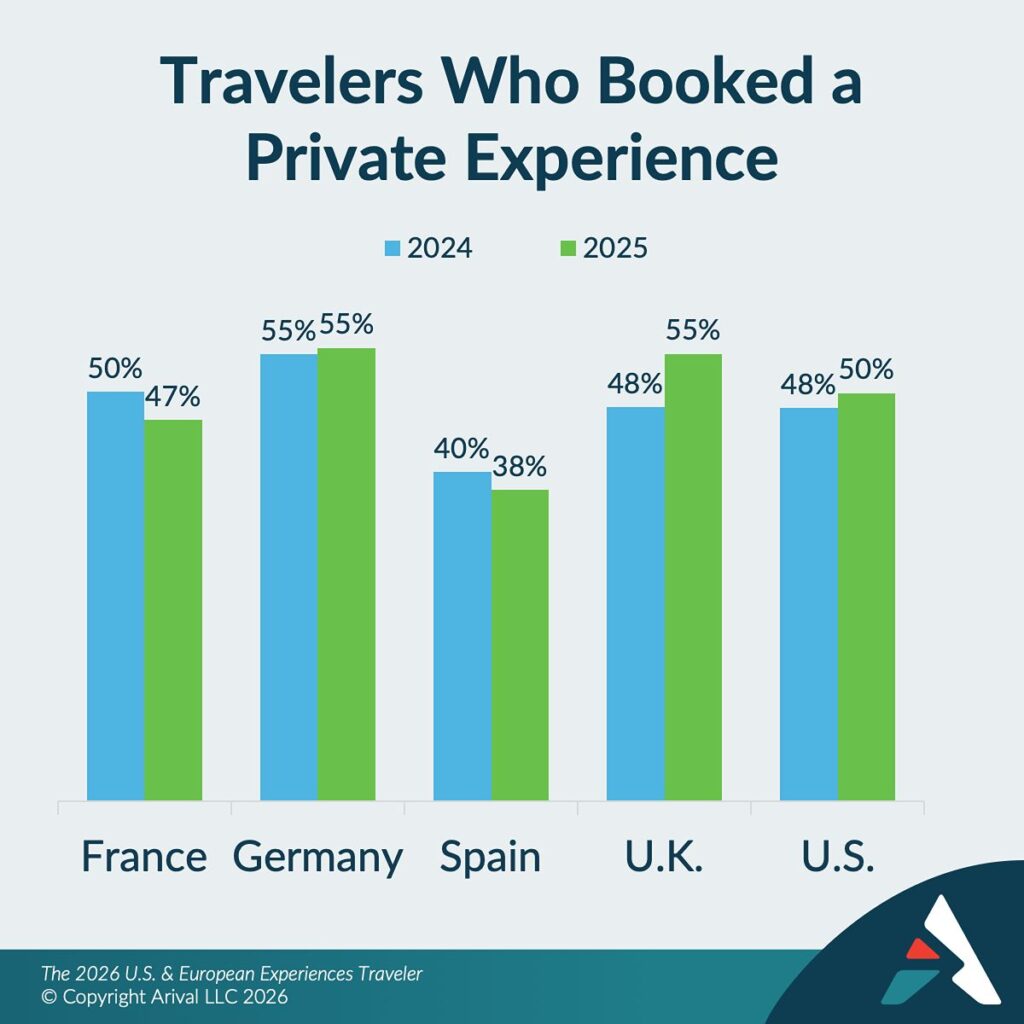
WalksDevour found that rather than couples seeking exclusive experiences at a premium, groups of four, five, and six people are increasingly opting for private tours — not for the exclusivity, but because the per-person cost becomes competitive with a shared tour at that group size.
It’s a useful reminder that customer assumptions can quickly become outdated — and that staying close to actual booking behavior is one of the most valuable things an operator can do. The private tour customers WalksDevour thought they were building for and the ones actually booking private tours are two different customer types entirely.
What This Means for Operators
WalksDevour’s experience reflects something many tour and activity operators across Europe are quietly grappling with: overtourism isn’t just a headline or a policy debate. It’s a product problem that shows up in the day-to-day — in shrinking windows of time at a destination, in guides who dread certain routes, in guests who leave feeling like they didn’t quite get what they came for.
The operators who navigate this well won’t necessarily be the ones who find a way to move faster or pack more in. They’ll be the ones willing to ask harder questions about whether the format itself still serves the experience they’re trying to deliver — and the travelers they’re trying to serve.
Learn More About Adapting to the Changing Experiences Landscape with Arival
Hear more from Roisin O’Sullivan in the latest Best Part of Travel podcast episode, where we discuss the impact of large scale events like the Olympics or the FIFA World Cup on destinations and local operators, how the summer is shaping up in Europe, and how WalksDevour is adapting to the changing needs of travelers. Watch or listen to the full episode, available on Spotify, YouTube, and wherever you get your podcasts.

Also, learn more about the overnight and multi-day tour landscape in our recent report on The State of Multi-Day Tours, and join us at an upcoming Arival event to get the latest in person insights on how the tours, activities and attractions sector is growing and evolving from industry leaders like O’Sullivan.
Become an Insider Pro Access member today and get access to the full library of Arival research, plus many other benefits such as free consulting sessions, special discounts and 20% off in-person events, starting from $179 per year.
Sign up to receive insights tailored for the in-destination industry as well as updates on Arival.
Header photo: Pexels / Faut Alemdar