

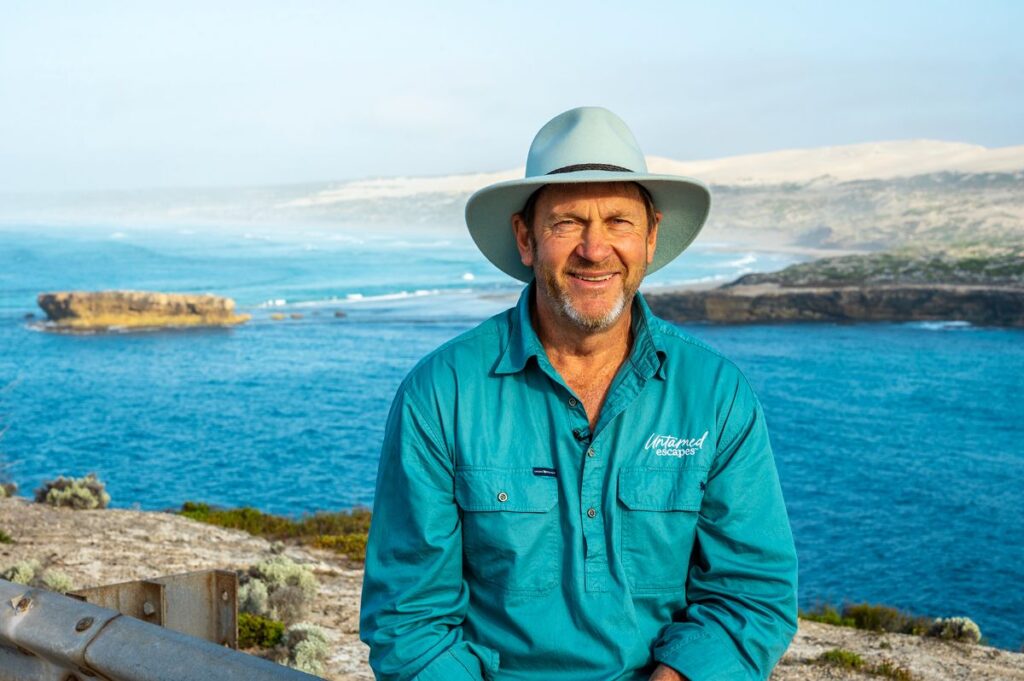
“I’ve talked a few operators out of it,” says Craig “Hassie” Haslam, reflecting on conversations with day tour operators looking to expand into multi-days. “There are so many more parameters to consider compared to day tours. It’s a completely different beast.”
With 25 years leading Untamed Escapes, an Australian tour operator offering day and multi-day tours across South Australia, the Northern Territory, and Western Australia, Haslam has seen both sides of the equation. Despite his caution, he’s clear that the rewards, both personal and financial, make it worthwhile. “Multi-day tours make up most of our business,” he says. “And it’s also a business we love. They allow me to build a meaningful relationship with guests and showcase parts of the region that aren’t available in a single day tour.”
For single-day tour operators looking to offer a multi-day product, the appeal is clear: larger bookings, higher margins, and richer travel experiences. But the transition from the relative simplicity of day touring can be daunting.
While the path from day to multi-day tours is different for every operator, you can save yourself time and headaches by studying the lessons of those who’ve already made the journey. In this article, we’ll explore lessons and advice from four tour operators who offer both single-day and multi-day tours, have more than 50 years of experience between them, and together run more than 100 products across single and multi-day formats.
How do you know when to launch a multi-day tour?
The first signal that there’s demand for multi-days is found within your inbox. The common story we heard from operators is that it starts organically — customers begin enquiring about longer trips before a multi-day product even exists.
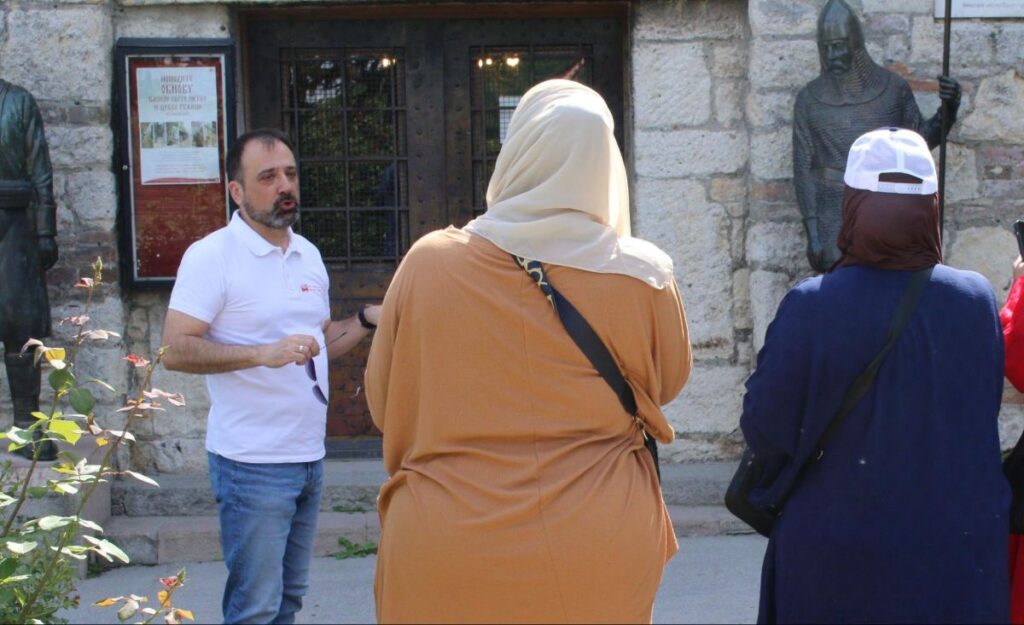
This was the case for Miljan Miljević, founder of Serbia Private Tours: customers began sending multi-day enquiries before he even had a product to offer. “I started receiving inquiries about multi-day services,” he says, “and that’s how we started building the product.”
With demand confirmed, the next question is how much of it exists and what shape it takes.
For Miljević, the answer came down to destination. “For my destination, we needed to work in both worlds. The demand for day trips isn’t strong enough to rely on that alone, and the demand for private multi-day tours isn’t big enough either. So I still need to do the combination.”
This session features the key insights operators shared on what led them to decide to launch their own multi-day tours:
Your inbox is the first signal
Miljević’s experience of receiving multi-day enquiries before he had a multi-day product listed is a common story. “People would reach out and say they were spending a week in Serbia and needed someone to put it all together,” he recalls. “That’s practically how it started.” That kind of organic demand is usually the clearest indicator that a multi-day product is worth building.
Demand is destination-dependent
Every operator we spoke with had a clear sense of what mix of single and multi-day tours their destination could support. For some it was a fifty-fifty mix; for others, multi-day tours dominated.
Before launching, it’s important to evaluate the demand in your region: is it a destination people travel through on longer journeys, or one they visit for short trips? Are multi-day tours a core offering or a complement to your day tours?
Expect multiple launches
Multi-day tours come in many shapes and sizes: short excursions, week-long trips, accommodated or unaccommodated, single-country or multi-country. As you grow your business and better understand your customers, you should expect your product offering to evolve.
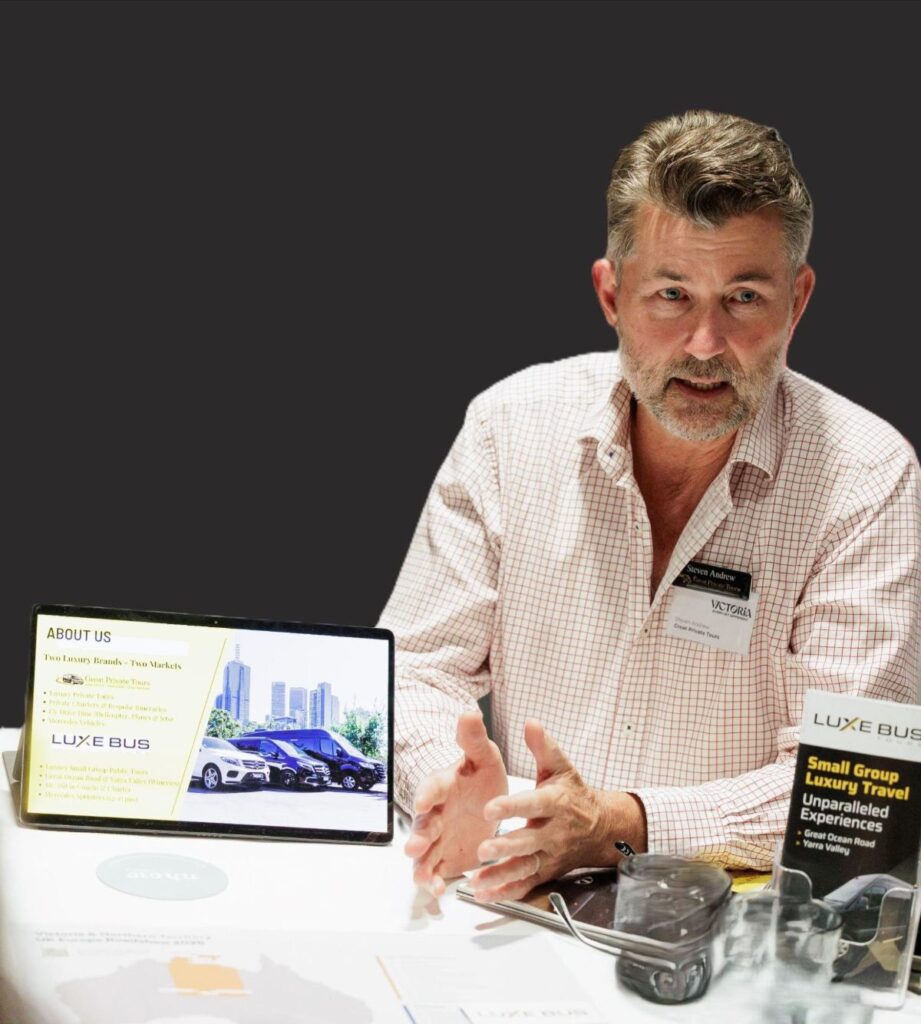
For Steven Andrew, owner of Great Private Tours and Luxe Bus Tours, his products matured into two distinct formats: “We really see two sides to multi-day tours. There’s the hub-and-spoke style, where guests stay in the city and do a series of day trips. And then there are the regional journeys, where you’re going into the region overnights and building it out day by day.”
Miljević’s product offering is another good example of this evolution. What started as multi-city tours across Serbia has grown into multi-country trips spanning the Balkans — a natural progression that followed his customers and the demand he found along the way.
13-15 April 2027 Insider Pro Access Members Save 20% THE event of the year for the European in-destination experiences industry Save up to €850 with an Autumn Advantage Ticket as an Insider Pro Member!
How do you design multi-day itineraries quickly and efficiently?
One of the challenges of multi-day tours is the sheer complexity of the itineraries.
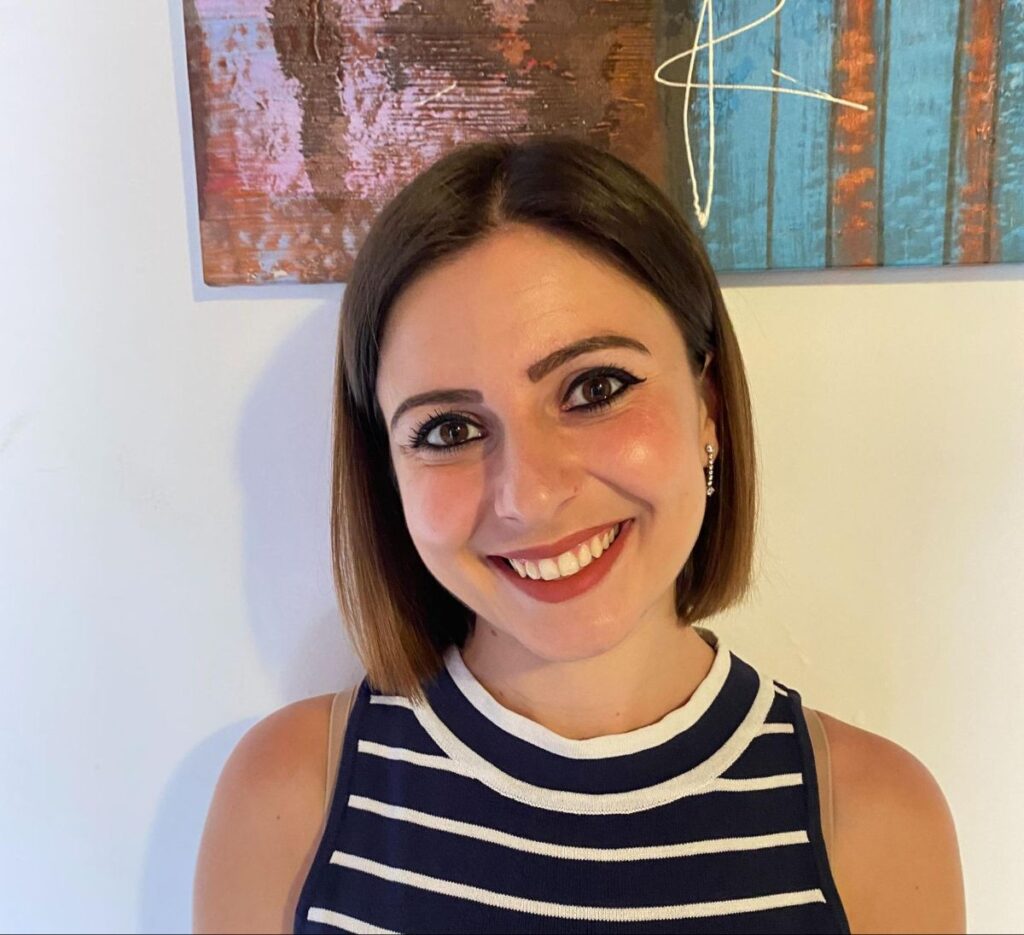
Florida Avdullaj, a Travel Designer at Fun in Tuscany, described the process as both demanding and deeply satisfying. “You have to take into account so many variables,” she says, “but that also makes it intellectually stimulating and what makes the end result so satisfying.”
For operators offering tailor-made multi-day tours, there’s the additional pressure of turning itineraries around quickly. “The quicker you are to respond, the more likely you are to get a booking,” explains Andrew.
This section includes insights on designing multi-day tours effectively and efficiently — drawn from these operator conversations as well as my own vantage point at Fieldbook, where we build itinerary software for multi-day tour operators.
Assemble, don’t build
If you’re building every itinerary from scratch, you’re building them too slowly. Established operators don’t build itineraries — they assemble them.
Assembling means putting pre-built components together rather than starting from scratch each time. Think of it like building with Lego: a finite set of pieces, but an almost infinite number of combinations. Those components — individual day itineraries, destination modules, experience options, transfer routes — are built once and stored in a library that can be drawn from the moment an enquiry arrives.
Operators who work this way can reach 80% of a finished itinerary in a matter of clicks. The remaining 20% is where the real personalization happens: the specific details that make a trip feel designed for that particular customer.
Create building blocks
To assemble effectively, you need an organized library of components to draw from. Andrew describes how he’s built this into his workflow at Great Private Tours: “We have 20 to 30 different day trips, single-day packages. It’s easy to stitch together two to three to four days of touring from Melbourne, coming back to Melbourne — and there you have a three to four day multi-day package.”
If you already have a library of itineraries, you have the foundations of your building blocks. The next step is to go deeper by splitting itineraries into individual days or segments that can be mixed, matched, and reused across different trips.
Offer questionnaires and discovery calls
Responding quickly to enquiries matters, but following up fast with the wrong itinerary doesn’t win bookings. You also need to make sure you’ve built the right one, and that means understanding the customer before you start designing.
Avdullaj described her approach to making sure she starts from the right brief: “At the very beginning, we are trying to have a complete framework in order to know what to build. I ask how many guests there are, their age range, their accommodation, where they are from — so I can get an understanding of who they are, which allows me to build a coherent itinerary.”
She describes her role as part tour designer, part psychologist, because she needs to get inside a customer’s mind in order to understand what they really need. A short questionnaire sent after the initial inquiry is a practical way to capture that information consistently.
Andrew takes a similar approach with a free fifteen-minute discovery call: “When you can get somebody online and have a chat — by phone or video — you suddenly get a feel for who they are, what they like, what they don’t like, what their expectations are.”
That call serves two purposes: it informs the itinerary and begins building the relationship before the trip has even started.

What does it take to sell multi-day tours successfully?
A friend of mine recently booked her first multi-day tour. When I asked how she chose the operator, it was clear her decision wasn’t based on the itinerary alone. What also mattered was the local guiding team, the company’s history in the region, and their commitment to giving back to the Indigenous community.
Her experience reflects the buying journey of multi-day travelers. As Andrew puts it: “Multi-day travelers are a different type of customer than single day travelers. The lead time is longer, the budgets are bigger, and they’re much more involved in shaping the experience.”
They spend an extraordinary amount of time researching — sometimes years before they travel — exploring destinations, studying itineraries, and comparing operators before narrowing to a shortlist. Unlike day tours, multi-day tours are rarely booked in a single session. They’re a highly considered purchase that unfolds over a long timeframe.
To sell multi-day tours effectively, you need to build a buyer’s journey that reflects this reality.
Design for deep research
Multi-day customers will research your business extensively before making contact. They’ll read your blog posts, your About Us page, your guides’ profiles, your guest reviews, and follow you on social media. They’re pouring through your entire digital footprint and assessing your credibility.
Miljević shared a story that illustrates just how far some customers will go: one traveler tracked down the local DMO (destination marketing organization) in Serbia and called them directly to ask for a reference.
Because that research unfolds over time, your content needs to meet customers at every stage: destination guides when they’re exploring, example itineraries when they’re narrowing down, and testimonials when they’re deciding. Every piece of content they find (or don’t) is being used to assess whether you’re worth trusting.
Help customers de-risk the purchase with FAQs
Multi-day tours are a significant time and money commitment. Customers are putting thousands of dollars in the hands of a business they might only have encountered online, and then spending days or weeks in their company. Helping customers de-risk that decision is key to closing a sale. One of the most effective ways to do this is through a dedicated FAQ page that works through their concerns before they’ve even reached out.
MoaTrek, who run small group tours throughout New Zealand, provide a good example. Their FAQ page addresses the questions first-time multi-day travelers are most likely to have: what accommodation will I be staying in? What happens if I need to cancel? Reading through it, you get a sense of an operator who genuinely understands their customer and has thought carefully about what it takes to help them feel ready to book.
Build a tour catalog
Multi-day travel involves a lot of decisions, and customers are faced with an overwhelming number of choices. Offering customers a catalog of itineraries replaces the blank page with a set of possibilities and ideas, while signalling your expertise in the region.
It also pays off commercially. Guests who enquire about a specific itinerary convert at a much higher rate than those who send an open-ended request, shares Miljević. By the time they reach out, the hard decisions are largely made and your role becomes confirmation rather than persuasion.
Reliability wins business
Multi-day customers don’t typically book instantly. They’ll often enquire first with considerable back and forth before they’re ready to book.
If you receive an inquiry, you should assume they’re also contacting your competitors. The difference between booking with you or your competitors comes down to reliability. That impression is what ultimately tips the decision: “When picking between different operators, they turn to the one that gives them the most reliable impression,” says Miljević. Customers form impressions across every interaction: responding quickly, sending professional itineraries, and showing you’ve actually listened to what the traveler is looking for helps ensure that impression will bring them back to book.
Join us at an upcoming Arival event to connect, learn, & grow your tours, activities, & attractions business
What are the key differences between running multi-day vs. single-day tours?
Delivering quality and consistency is hard enough with a single-day tour. With multi-day tours, that challenge is multiplied. Yet multi-day tours also offer something day tours rarely do: the opportunity to build a meaningful relationship with your guests. That relationship, once established, actually makes the trip easier to run.
“As soon as I get people on board, I’m trying to build a connection,” says Hassie. “Once they’re comfortable, the tour becomes easy.”
The ability to build that connection is ultimately what tour operators love most about multi-days. While this largely comes down to the guides, below are the practical steps you can take to set your guides up for success.
Leave an impression before the tour
With single-day tours, guests mostly just show up — at most, a confirmation email goes out a few days before with details of where to meet. Multi-day tours are different. There’s a journey that happens before the trip itself, one where guests get prepared, get informed, and begin to get excited for what lies ahead. That pre-trip journey is also an opportunity to build a strong first impression with guests well before they arrive.
Many operators design a structured sequence of communications in the weeks leading up to the trip. This typically includes sharing packing lists, visa and entry requirements, and a detailed day-by-day itinerary. Some go further — one operator I spoke with sends a recommended book list ahead of the trip as a way of building anticipation and connection to the destination.
Getting this right means guides receive guests who are already well-prepared and impressed with the company — a much easier starting point than guests who arrive cold.
Treat day one like the icebreaker
The goal of the first day is to build an initial rapport and connection with guests and set the foundation that makes the rest of the tour run smoothly. Unlike single-day tours, where it’s about packing as much in as possible, the first day of a multi-day itinerary is often deliberately relaxed. The agenda is lighter by design, giving the guide room to focus on building relationships and setting expectations for the days ahead.
Multi-day tour operators typically build this into the itinerary with an orientation and welcome dinner on day one. These are opportunities for guides to connect with guests, understand what they’re hoping to get out of the trip, and set the tone for the days ahead. Once that foundation is in place, the touring gets noticeably easier.
By day two, the difference is tangible. Guests climb back into the vehicle having shared a meal and a night’s sleep, and the conversation flows differently. As Andrews puts it: “Day two is such a different feeling. You’re asking guests, ‘How did you sleep? Wasn’t yesterday great?’ They get back in their cozy seats … it’s a lot more chummy.”
While the guide plays the central role in building that connection, there’s a lot that can be done by the operations team to put them in the best possible position to do it — which brings us to preparation.
Prepare your guides thoroughly
With single-day tours, experienced guides often don’t need much preparation as they’ve run the same route many times over and know it well. Multi-day tours are different. There’s considerably more ground to cover, and guides may be running itineraries they haven’t run many times before — or itineraries that differ per tour based on factors like seasonality and customization. The better prepared a guide is before guests arrive, the better placed they are to build those early connections and keep the tour running smoothly.
Established multi-day tour operators are deliberate about this. Many hold a dedicated briefing call ahead of each trip to walk guides through the itinerary, flag anything unusual, and answer questions. Alongside that, guides receive detailed trip notes covering the journey front to back — not just the logistics, but notes on the guests themselves: their interests, any accessibility needs, and what they’re hoping to get out of the trip. That level of detail allows a guide to walk into day one already knowing who they’re working with, rather than spending the first half of the trip figuring it out.
Worth Every Day
From conversations with these operators, the picture that emerges across all four areas of launching, designing, selling and running multi-day tours is one of genuine complexity. Multi-day tours demand more of an operator in almost every dimension: more planning, more parameters, more preparation.
That being said, the commercial case for multi-days is clear: larger bookings, better margins, and a stronger overall proposition for the business.
“From the perspective of a business owner,” says Miljević, “multi-day tours are more valuable. Not only from the revenue perspective or margin, but from the quality of the customer and the quality of the offer. With multi-day tours, you really can showcase your value to guests.”
Haslam sees that value from the traveler’s side: “With a multi-day tour, the value is immense. You’re taking people across a whole region. It’s not something most guests would feel comfortable doing on their own.”
But ask any operator why they keep doing it, and the answer is rarely about the margins. There’s one thing that comes up consistently: guests arrive as strangers and leave as friends. For many operators, that’s reason enough.
About the Author

Jeff Kwok is the co-founder of Fieldbook, a leading tour operator software platform built for multi-day tour operators. Fieldbook helps operators plan itineraries and turn them into stunning digital trip pages in minutes. Connect with Jeff on LinkedIn or explore his tour industry insights.
Learn More About Multi-Day Tours with Arival
Arival has just released new research on the multi-day tour marketplace, learn more about multi-day tours, product trends and tour development, as well as distribution, marketing and technology for multi-day tours in The State of Multi-Day Tours (2nd Ed.).
Also, join us to learn more about multi-day in person at an upcoming Arival event in Valencia, Brisbane or Spokane, where we’ll have a content track dedicated to the multi-day sector and the collaboration opportunities between the multi-day and day tours, activities and attractions categories of travel. We hope to see you there!
Become an Insider Pro Access member today and get access to the full library of Arival research, plus many other benefits such as free consulting sessions, special discounts and 20% off in-person events, starting from $179 per year.
Sign up to receive insights tailored for the in-destination industry as well as updates on Arival.
Header image: Unsplash / Alexander Barbosa